
When shopping for jewelry or selling old gold, you’ll often see numbers like 10K, 18K, or 24K.
This isn’t a secret codeit’s the karat, a simple measure of gold purity.
Understanding what karat means can help you make informed choices, whether you’re buying a special piece or assessing the value of the gold you own.
You can also calculate the gold price by grams to get a clear idea of its current worth.
Let’s walk through what karat is, how gold is calculated, and what the different numbers really mean for your jewelry.
What Does “Karat” Actually Mean?
Karat (abbreviated as K or kt) is the unit that measures the purity of gold in an item.
It tells you what proportion of the metal is pure gold versus other alloys mixed with it.
Pure gold is 24 karats.
Think of “24K” as 24 out of 24 parts being gold, meaning it’s 100% pure.
Since pure gold is very soft and can scratch or bend easily, it’s often mixed with stronger metals like silver, copper, nickel, or zinc.
This creates an alloy that’s more durable for everyday wear.
The karat number tells you exactly how much of that alloy is real gold.
The Simple Karat Math
The calculation is straightforward:
24K gold = 24/24 parts gold = 100% pure
18K gold = 18/24 parts gold = 75% pure
14K gold = 14/24 parts gold = 58.3% pure
10K gold = 10/24 parts gold = 41.7% pure
This percentage is often called the fineness.
You might also see it stamped as a number like “750” for 18K (meaning 750 parts per thousand are gold).
A Guide to Common Karat Types
Here’s a breakdown of the most common purities you’ll encounter, from the most durable to the purest.
10K Gold (41.7% Pure Gold)
Best for: Everyday jewelry that needs to withstand active wear, like rings and bracelets.
Pros: It’s the most affordable, durable, and scratch-resistant gold option.
Cons: It has the lowest gold content, which can give it a slightly paler color. Some people with
sensitive skin may react to the higher alloy content.
14K Gold (58.3% Pure Gold)
The most popular choice for fine jewelry in Western markets.
Best for: Engagement rings, wedding bands, and any piece meant for daily wear. It offers an excellent balance.
Pros: Provides a rich gold color, good durability, and is more affordable than higher-karat options. It’s widely available.
Cons: Slightly less pure than 18K or 22K gold.
You can learn more about purity benchmarks in our guide on why 22k gold is not considered pure.
18K Gold (75% Pure Gold)
Considered high-purity jewelry gold, favored for its rich color and quality.
Best for: Heirloom-quality pieces, luxury jewelry, and designs where a deep gold hue is desired.
Pros: Has a noticeably richer, warmer yellow tone than 14K. It’s valued higher and is often used in premium and designer pieces.
Cons: Softer than 14K or 10K, making it slightly more prone to scratching over time.
22K Gold (91.7% Pure Gold)
Common in traditional jewelry across many cultures, like Indian bridal jewelry or Middle Eastern coinage.
Best for: Ornate, ceremonial, or investment-style jewelry that may not be subjected to daily wear.
Pros: Has a very intense yellow color and holds significant intrinsic value due to its high gold content.
Cons: Quite soft and malleable, making it less suitable for intricate, delicate settings meant for active use.
24K Gold (100% Pure Gold)
This is pure, elemental gold in its natural form.
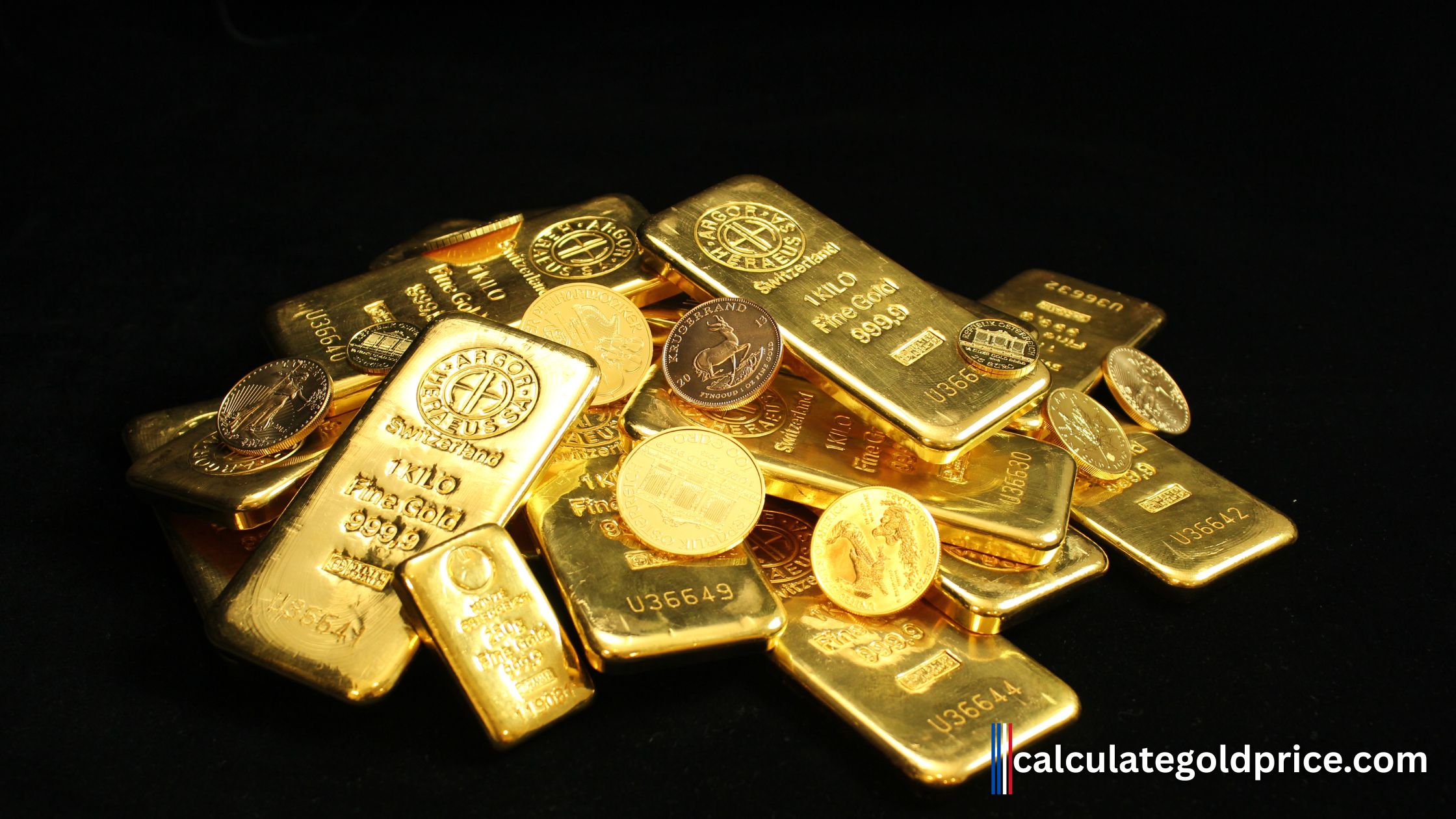
Best for: Investment bars, coins, and some ceremonial items. It is rarely used for functional jewelry.
Pros: It is the standard for gold’s monetary value. There are no alloys to cause allergic reactions.
Cons: Extremely soft and can be easily dented or deformed. It is not practical for rings or bracelets.
A Practical Example: Seeing Karat in Action
Imagine you have two necklaces of the same weight, say, 10 grams each. One is 14K, and the other is 18K.
While they weigh the same, the 18K necklace contains more pure gold. Here’s a quick calculation:
The 14K piece contains 5.83 grams of pure gold (10g x 58.3%).
The 18K piece contains 7.5 grams of pure gold (10g x 75%).
If the market price for pure gold is $70 per gram, the intrinsic gold value of each necklace would be:
14K: 5.83g x $70 = $408.10
18K: 7.5g x $70 = $525.00
This difference in pure gold content is why an 18K piece is typically more valuable than a 14K piece of the same weight.
The craftsmanship, brand, and design will add to the final retail price, but the core material value starts here.
How to Identify the Karat of Your Gold
Look for a small stamp, or hallmark, usually on the inside of a ring, the clasp of a necklace, or the back of an earring.
These marks follow international conventions, and organizations like the International Hallmarking Convention work to standardize them globally.
On the stamp, you will see numbers like 10K, 14K, 18K, 22K, or sometimes their purity equivalents: 417, 585, 750, 917.
If your item lacks a clear stamp, it may not be solid gold, or the hallmark may have worn off.
A reputable jeweler can perform a simple, non-destructive acid test to determine the karat.
Choosing the Right Karat for You
Your choice depends on your priorities:
For Durability & Value: 10K or 14K are excellent, practical choices.
For Color & Luxury Feel: 18K offers a beautiful balance of richness and reasonable durability.
For Traditional or Investment Pieces: 22K may be ideal.
For Pure Bullion: 24K is the standard.
There’s no single “best” karat, only the best choice for your specific need, style, and budget.’
By understanding these simple numbers, you can shop, sell, and appreciate gold with confidence and clarity.
Is higher karat always better?
Higher karat means richer color but less durability, so it’s not always better for everyday wear.
What karat is best for an engagement ring?
14K or 18K is best for engagement rings, balancing beauty with daily durability.
How can I tell what karat my gold jewelry is if there’s no stamp?
A jeweler can perform a simple acid test to determine the karat if no stamp is visible.
Why isn’t 24K gold used for most jewelry?
24K gold is too soft for most jewelry, making it impractical for items worn regularly.
Which karat holds its value best?
Higher-karat gold holds more intrinsic metal value, but jewelry value also depends on design and brand.

This site is created by Sohail Shaikh, a digital creator who builds simple online tools to help people check prices, make calculations, and understand numbers easily. He focuses on accuracy, clarity, and user-friendly tools that work fast and give real value.